

5 Signs It May Be Time to Upgrade Your Lawn Irrigation System
A healthy lawn requires consistent moisture, proper nutrition, and routine maintenance to thrive throughout changing weather patterns. However, an aging watering setup can quickly transform a beautiful yard into a source of frustration, high utility costs, and uneven growth. Many property owners rely on older equipment without realizing how much water is wasted through evaporation, runoff, or faulty underground components. Homeowners who want to maintain healthy outdoor spaces often seek reliable lawn irrigation services to ensure their property receives optimal watering without wasting valuable resources. Upgrading your setup brings modern technology, improved distribution, and peace of mind to your property care routine. According to This Old House, 59% of people upgraded their irrigation systems in 2025. Recognizing when your equipment has reached the end of its useful lifespan allows you to make timely improvements that protect your outdoor investment and keep your grass looking pristine.
1. Observing Unexplained Increases in Water Usage
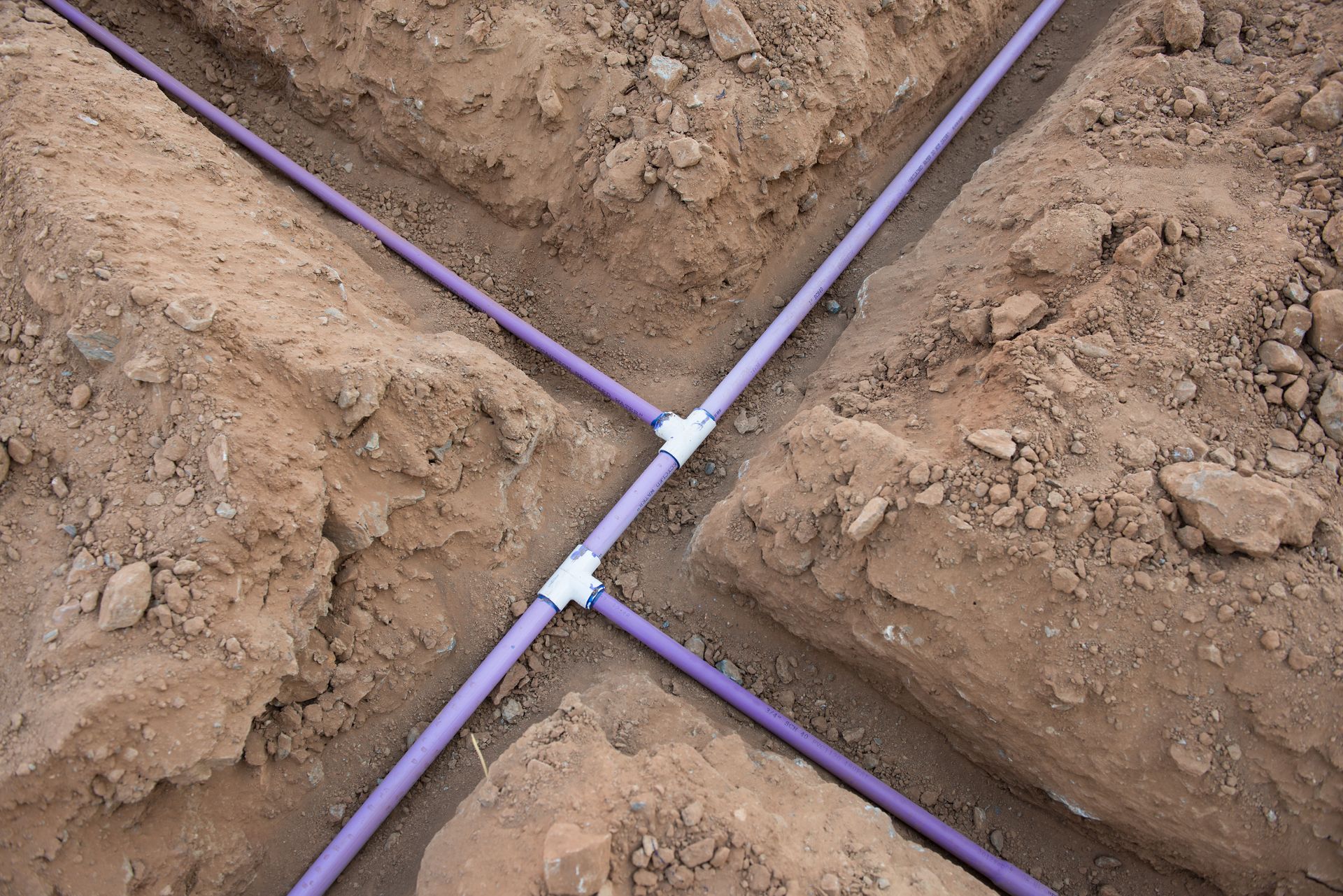
A sudden or steady rise in water bills without a clear explanation often points directly to unseen problems within an underground watering network. Underground pipe cracks, worn control valves, and leaking spray heads can release vast amounts of excess water into the soil without showing surface puddles. Over time, these subtle leaks erode soil stability, damage deep plant roots, and inflate monthly utility bills unnecessarily. When equipment begins to age, reaching out for modern lawn irrigation services can make a significant difference in long-term water conservation and overall landscape health. Professional evaluation helps identify hidden leaks and failing components that visual checks easily miss.
Beyond concealed pipe leaks, older watering systems frequently lack intelligent flow controls required to balance water volume across different zones effectively. Standard mechanical clock timers continue running during rainstorms or cool mornings, applying unnecessary moisture to saturated soil profiles. This wasteful operation increases utility expenses and creates ideal conditions for fungal lawn diseases, moss growth, and severe root rot. Modern system components automatically adjust output based on real-time weather conditions, keeping application levels strictly within healthy limits. Transitioning to a modernized setup prevents wasted environmental resources and ensures every drop delivered serves a productive purpose for your lawn.
2. Experiencing Persistent Dry Patches Across the Lawn
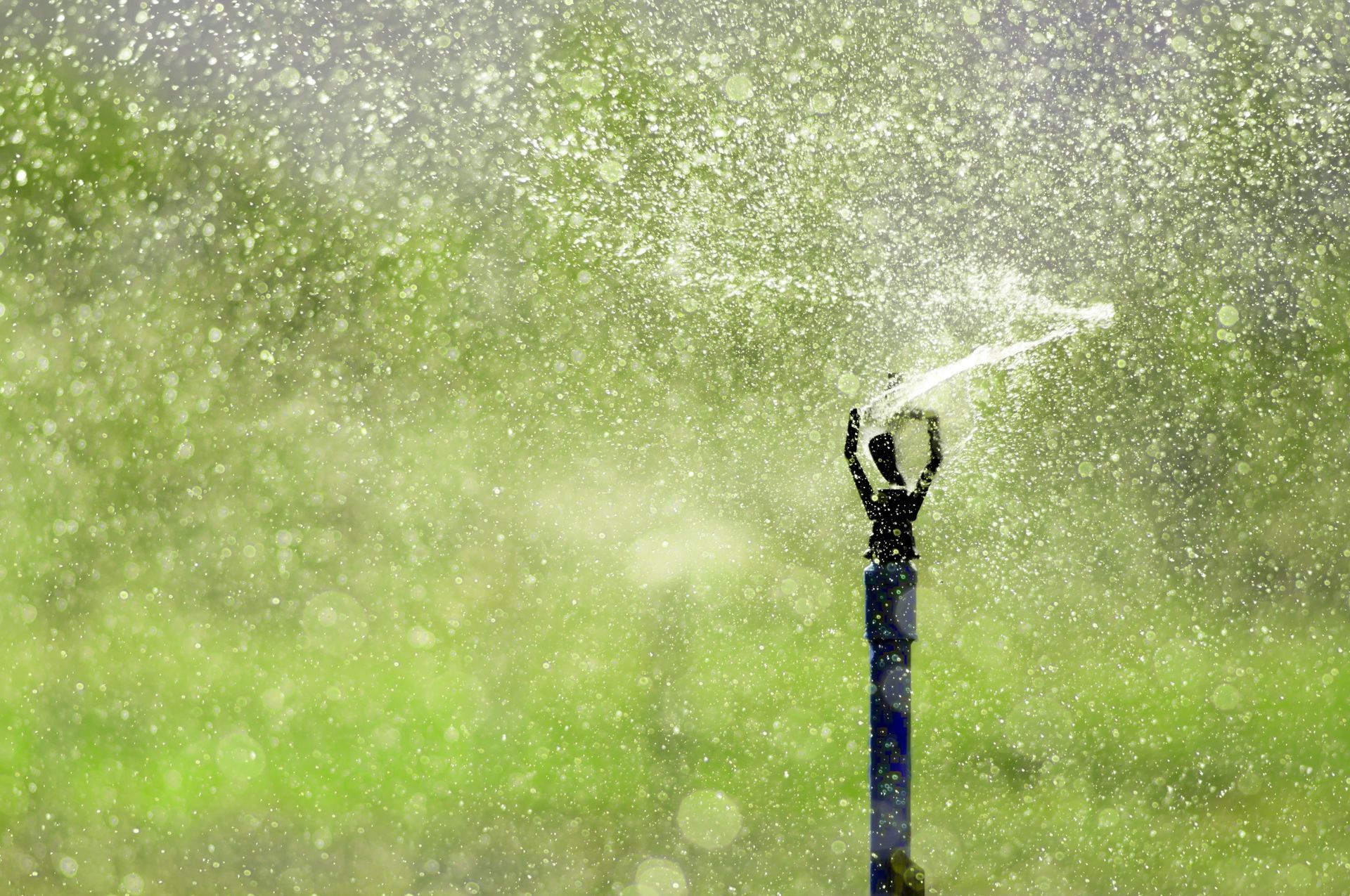
Uneven turf coloration and persistent dry patches frequently signal that moisture is not being distributed uniformly across your property landscape. As sprinkler heads age, internal springs weaken, nozzles become clogged with mineral deposits, and riser stems fail to pop up completely during scheduled operation. These physical defects lead to blocked spray streams, leaving critical areas of grass completely dry while adjacent lawn zones receive far too much moisture. Partnering with skilled providers of lawn irrigation services allows property owners to modernize their watering setups with smart technology and matched precipitation nozzles. Upgraded heads provide uniform coverage, ensuring that every square foot of turf receives consistent hydration.
Changes in mature landscaping can also disrupt spray patterns over time, causing expanding shrubbery, growing tree roots, or new garden structures to block water flow to designated grass areas. Older systems designed years ago may no longer match the current layout of your garden beds, walkways, or open lawn sections. When water coverage fails to reach all areas equally, property owners often compensate by increasing overall watering duration, which overwaters certain sections while leaving dry zones underhydrated. Upgrading zone design corrects spatial imbalances by realigning spray patterns with current landscape features. Replacing outdated components restores vibrant green growth across every section of your yard.
3. Dealing With Frequent Component Breakdowns And Leaks
Continually replacing broken sprinkler heads, cracked plastic fittings, and malfunctioning solenoid valves can quickly become an expensive, frustrating, and time-consuming chore. Plastic components exposed to severe seasonal temperatures, soil shifting, and intense sun exposure naturally degrade over time, becoming brittle and highly susceptible to sudden damage. Repeated minor repairs may offer brief temporary relief, but they rarely solve the underlying issue of widespread material wear throughout the underground network. Investing in professional lawn irrigation services helps address lingering distribution issues before they cause costly damage to turfgrass and flower beds. Modernizing system infrastructure provides robust materials that withstand harsh environmental conditions for extended periods.
Frequent pressure spikes and water hammer effects inside outdated plumbing lines further accelerate physical wear, leading to recurring pipe blowouts and ruptured fitting connections. When system failures occur repeatedly throughout the active watering season, the cumulative cost of emergency repairs and replacement parts often exceeds the investment needed for a modern upgrade. Modern systems incorporate pressure regulation technology directly into zone valves and spray bodies, stabilizing internal line pressure and eliminating excessive stress on plumbing joints. A complete system modernization drastically reduces ongoing maintenance demands, giving homeowners confidence that their landscape equipment will operate smoothly without constant hands-on intervention.
4. Managing Outdated Controls and Inflexible Schedules
Legacy mechanical controllers and traditional clock timers offer very little flexibility when it comes to tailoring watering schedules to actual environmental needs. These basic devices rely strictly on rigid manual programming, operating on fixed schedules regardless of recent heavy rainfall, seasonal temperature shifts, or fluctuating soil moisture levels. Operating an inflexible timer often results in sprinklers running during heavy downpours, generating wasteful surface runoff into neighborhood storm drains and inflating monthly water bills. By consulting experts who specialize in comprehensive lawn irrigation services, homeowners can easily transition from inefficient manual systems to fully automated setups. Advanced controllers adjust daily schedules automatically using real-time weather data to deliver precise hydration.
Smart control panels also provide remote accessibility through mobile applications, allowing property owners to adjust watering schedules, monitor usage metrics, and pause operations from anywhere. Intelligent wireless sensors measure soil moisture levels directly and detect freezing temperatures, automatically preventing system operation when watering would be harmful or unnecessary. Replacing an obsolete controller with smart automation optimizes every watering cycle while eliminating the daily hassle of manual programming adjustments. Embracing modern controller technology simplifies long-term property care, conserves natural resources, and protects your landscape investment against environmental stresses with automated precision.
5. Noticing Uneven Pressure and Poor Spray Coverage
Inconsistent water pressure across watering zones is a clear indicator that your system infrastructure is struggling to perform efficiently under current demands. Low water pressure causes sprinkler heads to mist, drop prematurely, or dribble water near the base rather than casting a strong, uniform spray across the intended radius. Conversely, excessively high pressure creates fine water misting that drifts away in gentle winds or evaporates into thin air before ever touching the grass surface. Upgrading an outdated infrastructure with dependable lawn irrigation services ensures long-term reliability, precise application, and lower monthly operational costs. Installing modern pressure-regulating sprinkler bodies stabilizes water velocity, producing uniform droplets that reach their target efficiently.
Inadequate water delivery caused by poor pressure control leads to shallow root development, making your lawn far more vulnerable to seasonal drought, weed infestation, and summer heat stress. Healthy turfgrass requires deep, thorough watering cycles that encourage roots to penetrate deep into the soil profile for maximum nutrient absorption. Modernized irrigation components ensure that moisture penetrates deeply and evenly, promoting stronger root structures and vibrant green color across the entire lawn expanse. Resolving pressure imbalances through upgraded equipment transforms overall system efficiency and supports long-term landscape health. Investing in updated technology ensures your property remains lush, beautiful, and resilient through every seasonal transition.
Recognizing the signs of an aging watering system is an essential step toward building a healthier, more sustainable outdoor space for your home. Modernizing your equipment eliminates wasteful water usage, resolves persistent dry patches, minimizes ongoing repair costs, and provides flexible remote control over your routine property care. To maintain a vibrant landscape all year round, scheduling quality lawn irrigation services is an effective step a homeowner can take. Upgrading your infrastructure protects your property value and ensures your lawn remains lush, healthy, and resilient through every seasonal change. If you are interested in transforming your outdoor space with a modern setup, please reach out to the friendly team at Sequoia Landscaping, Inc to get started today.
Share On: